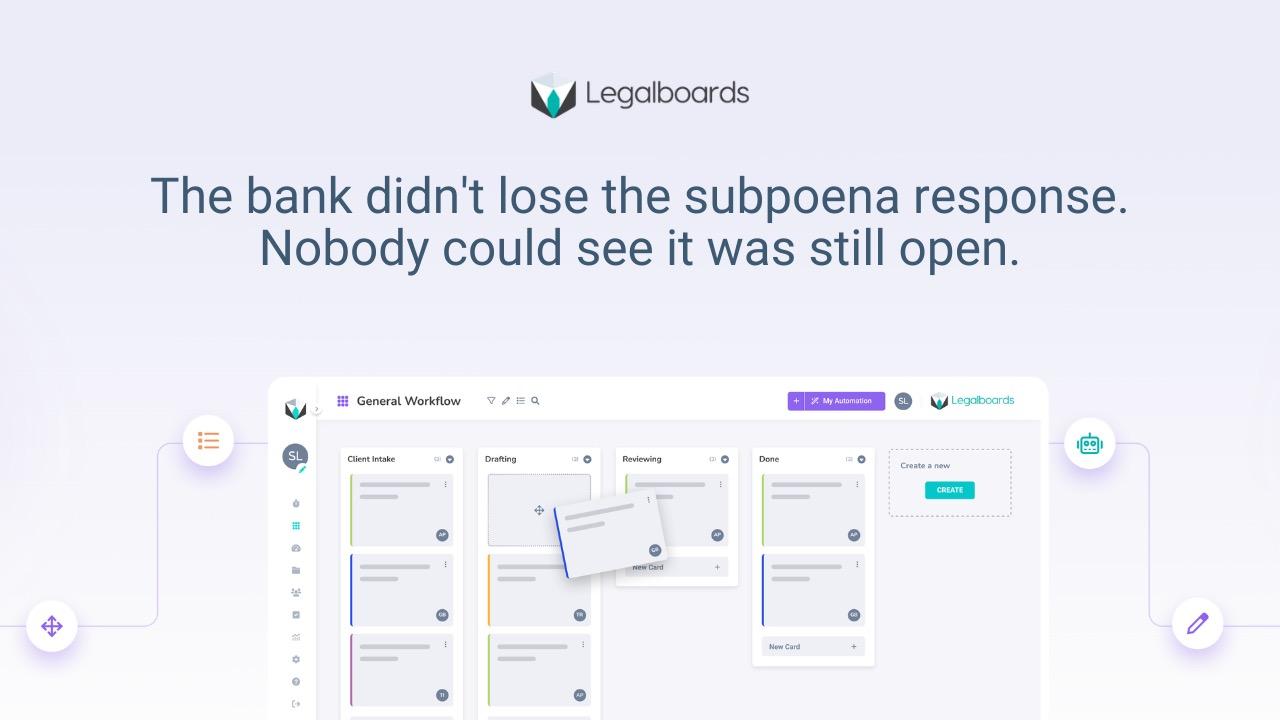

“Real-time collaboration” means working together on cases and tasks with instantaneous (or near-instant) communication and updates: shared dashboards, live editing, instant notifications, centralized document access, and unified workflows. Rather than relying on email threads, disparate file folders, or sporadic check-ins, teams move in lockstep: everyone sees the newest version, knows what’s pending, and can respond without delay.
In a legal environment, where deadlines are fixed, stakes are high, and team members often juggle multiple matters, real-time collaboration helps avoid inefficiency and risk. It ensures that:
- Everyone is on the same page and working from the latest information.
- Work doesn’t stall because someone’s waiting on approval, documents, or instructions.
- Mistakes caused by duplication, outdated info, or missed messages are minimized.
- Clients receive timely updates and consistent communication.
In short: real-time collaboration transforms fragmented effort into coordinated execution, which translates into faster matter resolution, fewer mistakes, and a stronger reputation for reliability.
Key Benefits of Real-Time Collaboration for Law Firms
1. Faster Turnarounds and Reduced Bottlenecks
When paralegals, associates, partners, and support staff can instantly update tasks, share documents, and request approvals, work flows. No more waiting on “reply-all” threads or lost file versions, just clear, timely progress.
A unified collaboration tool lets someone finish a draft, mark the task complete, trigger the next task (e.g. review, signature, filing), and notify relevant teammates automatically. That means sooner closings, satisfied clients, and less pressure during crunch time.
2. Improved Transparency and Accountability
With live dashboards showing who's responsible for what, when it's due, and what's already done, accountability becomes visible. Operational visibility means everyone can see the status of a matter, whether tasks are behind schedule, and where help is needed.
This clarity reduces mistakes, prevents tasks from falling through the cracks, and strengthens team ownership of outcomes.
3. Enhanced Communication & Reduced Email Overload
Much of traditional legal work relies on lengthy email threads, attachments, and back-and-forth messaging. Real-time collaboration platforms reduce that clutter.
Conversations, comments, file revisions, and status updates are tied directly to the relevant matter, making communication contextual, searchable, and organized.
This reduces the time wasted hunting through inboxes or tracking down colleagues, and ensures key information stays attached to the right case.
4. Higher Client Satisfaction Through Consistency
Clients, especially institutional or corporate clients, expect consistency, responsiveness, and professionalism. When your team collaborates in real time, delays and miscommunications decrease, updates are more regular and reliable, and the firm presents a unified front.
This builds trust, helps with renewals or referrals, and strengthens your reputation in competitive legal markets.
5. Scalable Efficiency for Growth and Multimatter Management
As firms grow, take on more matters, or juggle complex portfolios, manual coordination becomes a bottleneck. Real-time collaboration tools scale with your operations: they let teams manage dozens or hundreds of matters simultaneously, while keeping each one organised, visible, and on track.
That’s essential for firms chasing growth, expansion, or higher volume work.
What Real-Time Collaboration Looks Like in Practice
So what does collaboration actually look like day-to-day in a law firm that does it well?
A shared matter board or dashboard
Every open case is listed, with status, responsible staff, upcoming deadlines, and recent activity.
Live document access and version control
Multiple team members can view or edit pleadings, contracts, or filings without confusion or overwrite risk.
Automated workflows and notifications
E.g., when a discovery package is uploaded, the system alerts review attorneys; once approved, tasks for depositions or filings trigger automatically.
Centralized communication
Notes, comments, or messages are linked directly to cases or tasks, not buried in email.
Cross-functional visibility
Paralegals, attorneys, billing teams, and admin staff all see relevant info for their roles without redundant data entry or confusion.
Flexible mobility
Remote or hybrid teams can log in, update work, or respond to clients from anywhere, making collaboration location-independent.
These practices turn dozens of ad-hoc coordination steps into seamless flow. For firms, that means less admin friction, fewer errors, and more time focused on strategy, advocacy, and client service.
How to Implement Real-Time Collaboration in Your Firm
1. Choose the Right Tool (and Get Buy-In)
Start with tools built for legal workflows, ones that support matter-based boards, task automation, document versioning, and permission-based visibility. Generic project-management apps often miss nuances like billing codes, compliance tracking, or attorney time logs.
Getting buy-in from attorneys, paralegals, and staff is essential. Demonstrate how collaboration tools reduce email intrusion, improve visibility, and create structure, rather than adding complexity.
2. Define Clear Workflow Standards
Design templates for common matter types (litigation, closings, compliance, corporate transactions). Standardize the workflow steps, required approvals, and document dependencies.
This ensures every team member knows what to do, and when, without confusion.
3. Organize Roles and Permissions Wisely
Real-time collaboration works best with clarity of responsibility. Define user roles (e.g., associate, paralegal, admin, partner) and permissions to access or edit certain documents or tasks. This preserves confidentiality and ensures accountability.
4. Move Communication into the Platform
Encourage teams to use the collaboration tool for case-related messages, file sharing, comments, and status updates, not email. Over time, this builds a self-documenting trail, helps onboarding new team members, and prevents miscommunication.
5. Monitor and Iterate
Track metrics like task completion times, number of missed deadlines, time spent on admin vs. billable tasks, and feedback from staff. Use that data to refine workflows, adjust templates, or improve onboarding. Real-time collaboration should evolve with your firm, not be “set and forget.”
Collaboration as a Competitive Advantage
Real-time collaboration isn’t a trend; for modern law firms, it’s a strategic advantage. In an industry where precision, reliability, and timeliness matter, the ability to collaborate, quickly, clearly, and consistently, can make the difference between a smooth closing and a costly error, between a strong client relationship and a lost referral.
By adopting the right tools, defining workflows, assigning clear responsibilities, and committing to transparency, law firms can transform collaboration from chaos into clarity.
With platforms like Legalboards, collaboration becomes a built-in part of every matter, not an afterthought.
If you’re ready to move beyond email, spreadsheets, and ad-hoc coordination, real-time collaboration could be the key to unlocking your firm’s productivity and scaling potential.
Your Questions, Answered
What is considered “real-time collaboration” in a law firm context?
Real-time collaboration means using tools that let team members instantly share updates, assign tasks, edit documents, and communicate within a matter, rather than relying on delayed email exchanges or manual check-ins.
With platforms like Legalboards, everyone sees the current status and next tasks live, which speeds up workflows and reduces miscommunication.
Can real-time collaboration really improve accuracy and reduce errors?
Yes. By centralizing case data, documents, and communication in one platform, teams avoid errors caused by version confusion, missed messages, or outdated information.
Features like document version control, clear task ownership, and automated notifications help catch mistakes before they become problems.
Will adopting a collaboration platform slow us down because of training and change resistance?
Initially, there might be a small learning curve. But with a clear rollout plan, templates, and support from key team members (especially paralegals and practice managers), most firms adapt quickly.
And the time savings (fewer emails, less duplication, fewer follow-ups) often show savings within a few weeks.
How does real-time collaboration impact remote or hybrid legal teams?
Remote or hybrid teams benefit especially from real-time collaboration because tasks, documents, and communication stay centralized.
Team members log in from anywhere, pick up work, update status, or share documents, keeping productivity steady even when not physically together.
Does real-time collaboration work for all types of legal matters (litigation, real estate, corporate, etc.)?
Yes. The core benefits, visibility, coordination, document control, automation, apply across practice types. Whether you’re managing a litigation docket, real estate closings, corporate transactions, or compliance workflows, a well-configured collaboration platform supports them all.
Can real-time collaboration tools help law firms scale operations?
Absolutely. As firms take on more matters or grow staff, manual coordination becomes unsustainable. Collaboration tools allow firms to handle higher caseloads while maintaining clarity, reducing errors, and keeping deadlines on track, without adding overhead.
How do I choose the right collaboration platform for my law firm?
Look for tools designed for legal workflows: matter-based boards, task dependencies, document versioning, permission controls, and automation. Choose platforms, like Legalboards, that combine ease of use with legal-specific features, and make sure they support your firm’s size, structure, and growth plans.