
Paralegals sit at the heart of every law firm. They keep cases organized, track deadlines, manage documents, and ensure attorneys have exactly what they need to move matters forward. But with growing caseloads and increasing client expectations, the pressure is higher than ever to maintain the utmost accuracy and accessibility.
That’s why many firms are turning to **legal project management tools**, a category of software designed to streamline how legal teams plan, track, and collaborate on matters. For paralegals in particular, these platforms can feel like a lifeline. They reduce administrative burden, reduce repetitive tasks, and maintain document consistency across the team.
Essentially, they help paralegals do their best work without drowning in manual processes.
**Why Case Documentation Has Become More Complex**
A decade ago, most case files were still managed through a blend of physical documents, inbox searches, and shared drives. Today’s firms, however, handle larger volumes of digital information, stricter security expectations, and more collaborative workflows across remote or hybrid teams. Ensuring that every document version, client email, or court filing is correctly named, stored, and accessible can easily eat up hours each week.
Paralegals often shoulder the responsibility for maintaining this order. Without the right tools, the risk of misplaced files, outdated versions, or missed deadlines increases, along with stress levels. Legal project management platforms provide support with structure, automation, and visibility, allowing paralegals to manage information with confidence.
**How Legal Project Management Tools Support Paralegals**
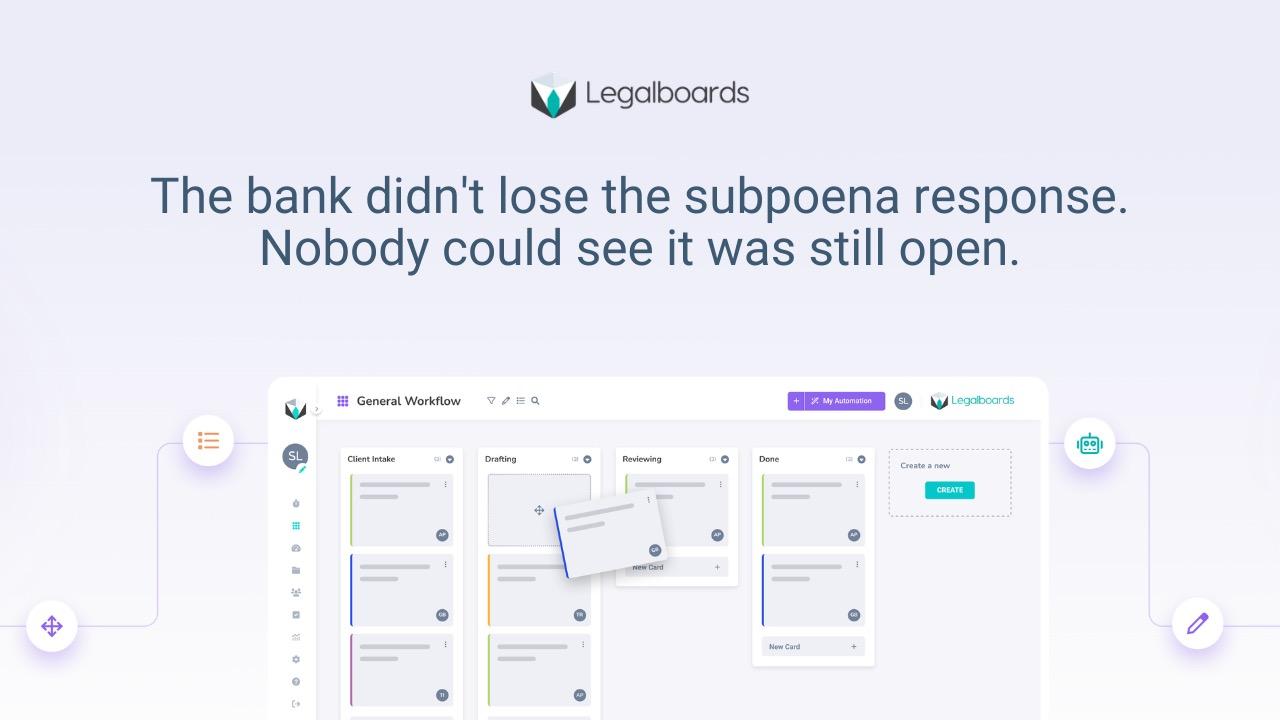
The most immediate benefit is clarity. Legal project management tools provide a centralized space for all tasks, documents, and deadlines. Paralegals no longer need to search multiple systems to piece together the status of a case. Instead, these tools automatically organize information by matter, assign tasks to the right team member, and, when necessary, retrieve information at a moment’s notice.
Additionally, these tools help simplify the tedious side of case documentation. Document templates ensure consistency across client communications, filings, and internal notes. Automated workflows eliminate repetitive steps like sending reminders or labeling documents. Version tracking removes the fear of saving the wrong file or distributing outdated information. And because they log everything in real time, paralegals can easily view the status of each case without chasing updates.
Perhaps one of the most underrated advantages is the reduction in context switching. Instead of jumping between email, spreadsheets, and shared drives, paralegals can complete most of their documentation and case management tasks in a single unified platform. This not only saves time; it improves focus and overall accuracy.
**Collaboration Without Chaos**
One of the biggest challenges paralegals face is coordinating communication between attorneys, clients, vendors, and opposing counsel. Legal project management tools support collaboration by creating clear, organized channels where everyone can access the right information.
Attorneys can review documents, approve filings, or update case notes without interrupting the paralegals’ workflow. Clients can securely upload required documents without relying on back-and-forth email threads. And project management tools track deadlines automatically, reducing the mental load of monitoring every moving piece.
In essence, this structured collaboration means fewer misunderstandings, fewer last-minute scrambles, and a more predictable workday for paralegals. In addition, it improves the attorney–paralegal relationship by giving both parties a real-time view into case progress.
**Better Case Outcomes Through Better Documentation**
Accurate, complete case documentation isn’t just an administrative task; it's a major factor in case strategy, client satisfaction, and overall risk management. Legal project management tools support better outcomes by ensuring nothing is missed, and every action is documented in an organized, timestamped format.
When attorneys can access reliable information quickly, they make better decisions. When clients receive timely updates and consistent communication, trust grows. And when a firm can demonstrate strong internal processes, everyone benefits.
For paralegals, the ability to maintain clean, organized case files without working nights or feeling constantly behind is transformative. It turns the job from reactive to proactive and creates space for higher-level contributions like research, client coordination, and strategy support.
**Why This Matters Now More Than Ever**
Law firms are facing increasing competition from legal tech providers, alternative service models, and client expectations for transparency and efficiency. Firms that embrace legal project management tools increase job satisfaction for their paralegals and position themselves for long-term operational success.
Paralegals are essential to the continuity and quality of legal work. Giving them tools that simplify workflows, reduce administrative strain, and support seamless case documentation helps the entire firm run more smoothly.
Legal project management isn’t just about managing tasks; it’s about empowering the professionals who keep matters moving every day.
**Your Questions, Answered**
How do legal project management tools help paralegals with case documentation?
These tools centralize tasks, documents, and deadlines in one place, helping paralegals keep information organized and accessible. They minimize manual work and improve accuracy across every case file.
Legalboards streamlines this process by offering automated workflows and intuitive dashboards that keep documentation consistent and easy to manage.
Can legal project management improve collaboration between paralegals and attorneys?
Yes. Clear task assignments, shared timelines, and real-time updates help teams stay aligned without constant back-and-forth communication.
Legalboards strengthens collaboration by giving attorneys and paralegals a shared workspace where notes, tasks, and documents stay perfectly synced.
Are these tools helpful for managing deadlines and court requirements?
Absolutely. Automated reminders and scheduling tools ensure you never overlook important dates, court filings, and compliance milestones.
Legalboards enhances deadline management with customizable automation that keeps paralegals on track at every stage of a case.
Do legal project management platforms support document version control?
Most platforms provide version tracking so paralegals always work with the most current documents and avoid sharing outdated files.
Legalboards makes things even simpler with organized boards and linked documents that maintain clarity around updates and changes.
Can a small firm benefit from legal project management tools?
Yes. Smaller firms often gain the most because structured workflows reduce workload pressure and help teams operate efficiently without additional staff.
Legalboards is especially valuable for small practices because it delivers powerful automation and organization tools without the complexity of enterprise software.
How do these tools enhance accuracy in case documentation?
They use templates, standard formatting, and automated workflows to ensure consistency across every document. This reduces errors and maintains a clean case record throughout the lifecycle of a matter.
Legalboards supports accuracy by guiding paralegals through step-by-step processes that eliminate guesswork.
Are legal project management tools difficult for paralegals to learn?
Most are designed to be intuitive, with guided onboarding and simple interfaces that reduce the learning curve.
Legalboards is built with ease of use in mind, so paralegals can start work with confidence right away.