Applying Agile to Legal Practices
Lesson 4: Building a Full Kanban Board
https://youtu.be/xdkb3ecvtlo
Building a Full Kanban Board: The Amy Paul Law Firm Example
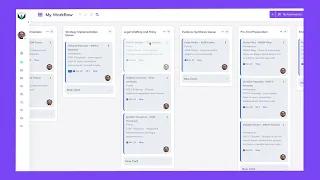
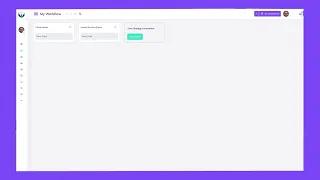
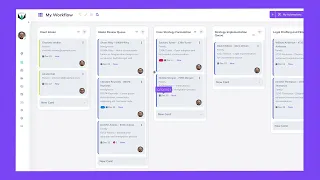
Watch step-by-step as we turn the Amy Paul Law Firm’s real-world workflow into a complete Kanban board—using queues to separate waiting from working and ensuring every matter advances only when resources are truly available.
Board Structure Covered in the Video
-
Client Intake – first meetings, pricing scope, due-diligence, engagement letter.
-
Intake Review Queue – holding area until initial case assessment is ready.
-
Case Strategy Formulation – fact review, issue spotting, strategic plan.
-
Strategy Implementation Queue – cases pause while resources (research, counseling) are assigned.
-
Legal Drafting & Filing – active drafting of pleadings and key documents.
-
Evidence Synthesis Queue – waiting for depositions, interrogatories, records.
-
Pre-Trial Preparation – final motions, exhibit lists, witness prep.
-
Trial Queue – cases “trial-ready” but awaiting court schedule or last checks.
-
Trial / Courtroom Proceedings – live courtroom activity tracked.
-
Verdict Processing Queue – hold for appeals, judgment enforcement.
-
Case Conclusion – administrative wrap-up, client file updates, close-out tasks.
Key Takeaways
-
Use Queues Generously – separate “waiting” columns prevent hidden bottlenecks and protect capacity.
-
Map Every Handoff – a new column for each resource transition brings delays into the open.
-
Workload Safety Net – progress matters only when the next stage has bandwidth, avoiding overwhelm.
-
Visual Clarity – the full board gives instant insight into where every case sits—from intake to conclusion.
Course Curriculum
Your 9 Agile Lessons

Lesson 1: How to Tell If Kanban Could Work For You
In this lesson, you’ll learn how to identify if you should implement the Kanban methodology and how to get started.

Lesson 2: Applying Agile to Legal Practices with John Grant
An in-depth look at integrating Agile methodologies in a legal setting, guided by industry expert John E. Grant.

Lesson 3: Getting Started
Where and how should you start implementing Kanban? Let’s go over how to use what you already do and translate it into Kanban.
Lesson 4: Building a Board
Let’s walk you through how to build a Kanban board using Legalboards for our example firm.
Lesson 5: Boards As An Overview Of Workflows
Now that we know the framework and how to build a board, let’s step back and examine how to view the work we’ve completed so far.

Lesson 6: WIP Limits
In this lesson, we’ll dive into one of the concepts that John covered in lesson 2, WIP limits. You’ll learn how to apply them for effective management.
Lesson 7: Board Viewing Tips
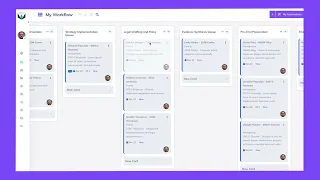
Tips about how to best view your board so you can ensure you understand everything at a glance.

Lesson 8: Client Centric Operations
One of the most important benefits of using Kanban is the enhanced client experience. Let’s examine how to optimize your operations for clients.

Lesson 9: Conclusion
In this lesson, we’ll wrap up this course and the Agile concepts covered.